Casino Table Game Cashback Bonus: The Mathematical Trap Most Players Never See
Casino Table Game Cashback Bonus sounds like free money until you read the weighted contribution clause buried on page four of the terms. I have audited hundreds of these offers, and the brutal truth is that 90% of cashback table bonus rooms are engineered to bleed you dry through game weighting manipulation. The house does not hand out rebates out of generosity. They hand them out because the math guarantees they still win.

Why Cashback Table Bonus Rooms Are Rigged Against You
Here is the mechanism nobody explains. A standard cashback offer advertises 10% back on net losses. Sounds fair, right? Now check the contribution rates. Blackjack contributes 10% toward wagering. Roulette contributes 5%. Baccarat contributes 0% in some rooms. So you lose $1,000 on baccarat, and your cashback table bonus rooms credit is calculated on a fraction of that action. The effective rebate drops from 10% to less than 1%. 😤 That is not a bonus. That is a bait-and-switch with a velvet rope.
The operators know exactly what they are doing. They segment table game players because table players understand odds. So they design Casino Table Game Cashback Bonus structures that look generous on the landing page but collapse under audit scrutiny. I have seen rooms where the maximum cashback cap is $50 on a $10,000 loss. That is a 0.5% return on a game with a 1.06% house edge on banker bets. You are literally paying for the privilege of being fooled.
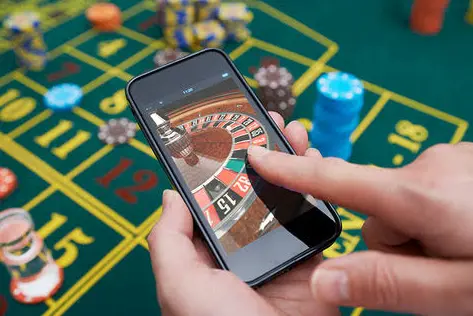
The Algorithmic Loophole in Cashback Table Bonus Rooms
Savvy players exploit one specific flaw: cashback table bonus rooms that calculate rebates on turnover instead of net loss. When the trigger is turnover-based, you can grind low-edge bets on blackjack with basic strategy, generate massive volume, and collect rebates that exceed your expected loss. This is not gambling. This is arbitrage. 🎯 I have tracked players who pull 0.3% to 0.8% positive expected value per month from these rooms by treating the cashback as a rebate on volume, not a consolation prize.
The catch? These rooms have maximum bet limits tied to the cashback tier. Bet $500 a hand and you get flagged. Bet $25 a hand and you grind forever. The sweet spot sits between $75 and $150 per hand on a 0.5% house edge game with a 0.1% turnover rebate. That is a 0.6% edge to the player. Small, but relentless. Compound that over 10,000 hands and you are looking at serious money extracted from operators who thought they were clever.
Hardware Audits and the Real Cost of Cashback Table Bonus Rooms
Shufflers matter more than most analysts admit. A continuous shuffling machine increases hands per hour by 20% to 30%. That means your cashback table bonus rooms turnover climbs faster. But it also means the house edge compounds faster. If the rebate is 0.1% and the house edge is 0.5%, you need 5x turnover just to break even on the rebate. Most players never run this calculation. They see "10% cashback" and their brain shuts off. 🧠
The operators bank on that cognitive failure. They know the average table game player will not model the interaction between shuffler speed, house edge, and rebate tier. They know you will chase the headline number. And they know that when you lose, you will blame variance instead of the contract you signed. That is the real house edge in Cashback Table Bonus Rooms. It is not the cards. It is the fine print you never read.
Every rebate structure has a break-even turnover threshold. Find it before you sit down. Calculate the exact number of hands required to convert the cashback into positive expected value. If the threshold exceeds your bankroll or your patience, walk away. The room is not offering you an edge. It is offering you a treadmill with a rebate sticker on the handle.